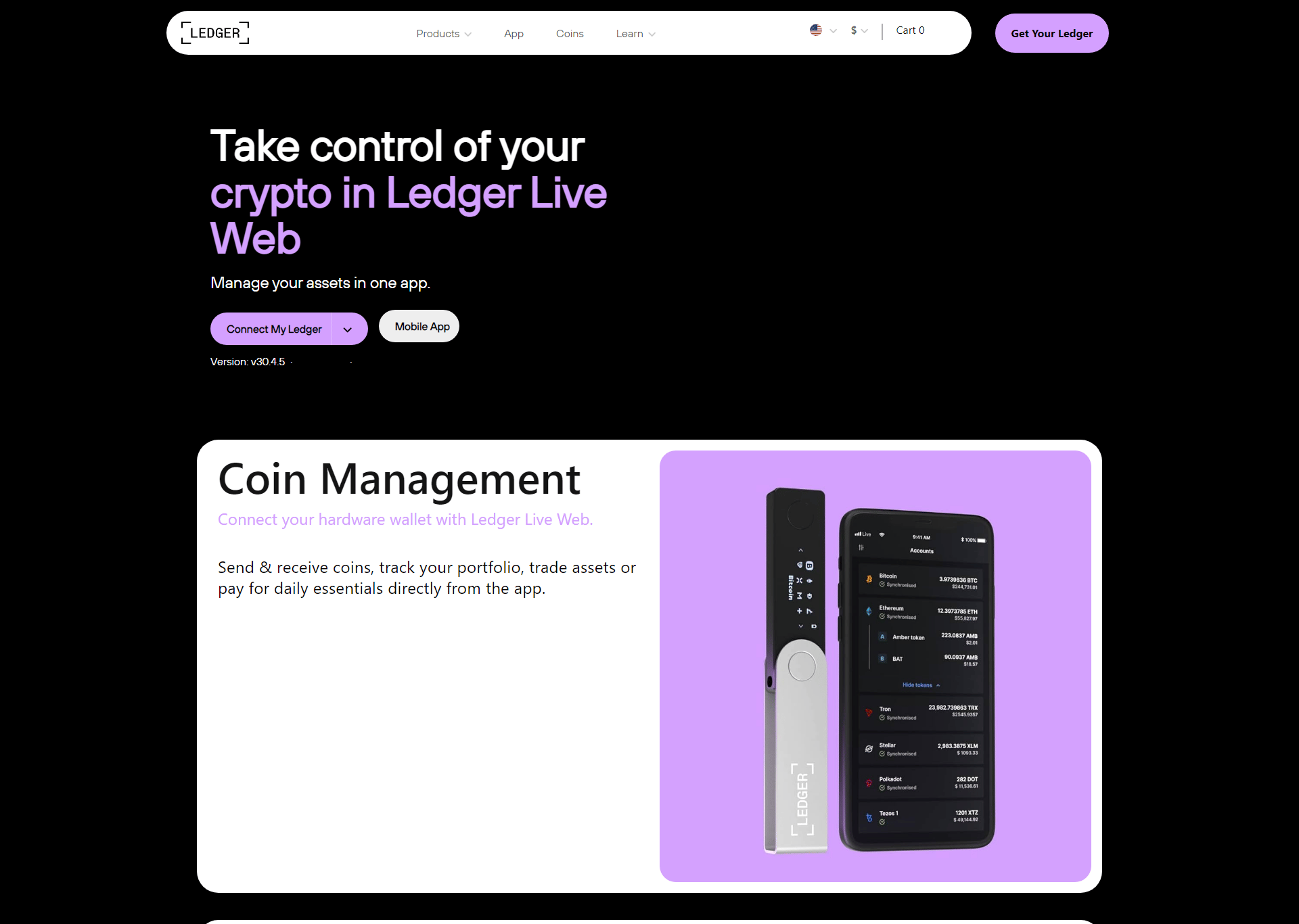
Ledger Live Desktop provides useful insights into desktop wallet functionality, account activity, asset visibility, and digital currency organization. Gffg

Ledger Live Desktop Guide: Manage Digital Assets From Your Computer

A desktop cryptocurrency management tool can help users monitor their accounts and understand their digital asset activity. Ledger Live Desktop is companion software developed for compatible Ledger hardware wallets. It brings supported wallet management features into a computer-based interface and allows users to interact with their accounts while keeping transaction approval connected to their physical device. Learning how to install, navigate, and secure the application is a useful first step for anyone interested in desktop-based crypto management.

An Introduction to Ledger Live Desktop

Ledger Live Desktop is designed to provide access to supported wallet functions through a computer. It can help users review cryptocurrency accounts, monitor balances, and examine transaction history. Its interface provides a convenient place to organize supported assets and explore available services. The features you can use depend on your hardware wallet model, operating system, region, and application version. The desktop application works with a compatible Ledger hardware wallet for operations that require device confirmation.

Why Choose a Desktop Wallet Interface?

Using a desktop interface can make account information easier to review. A larger screen provides more room for viewing balances, checking transaction records, and organizing different cryptocurrency accounts. Ledger Live Desktop may be useful for people who:
  • Prefer managing accounts from a computer.
  • Want a central overview of supported assets.
  • Regularly review transaction history.
  • Need to organize multiple cryptocurrency accounts.
  • Use a compatible Ledger hardware wallet.
A desktop interface does not guarantee protection from online threats. Safe software installation and careful transaction approval remain important.

A Simple Installation Walkthrough

Getting started with Ledger Live Desktop involves choosing the correct software and following the instructions for your computer.

1. Visit a Verified Ledger Resource

Open Ledger’s verified website directly. Locate the Ledger Live download section and review the current compatibility information.

2. Select Your Operating System

Choose the installer intended for your supported Windows, macOS, or Linux environment. Do not download software from unofficial websites or unfamiliar file-sharing services.

3. Install the Application

Follow the installation instructions for your platform. Once installation is complete, open Ledger Live Desktop and review the initial guidance.

4. Connect a Compatible Device

Connect your Ledger hardware wallet using a supported method. Follow the prompts displayed on the computer and physical device.

5. Explore the Application

Once the required setup is complete, explore the available dashboard and account management features. Become familiar with the interface before attempting a cryptocurrency transfer.

Understanding Account Information

The account area helps users review supported cryptocurrency holdings and transaction activity. Depending on the available features, you may be able to add accounts, check balances, and organize your digital assets. A well-organized account list makes it easier to identify different cryptocurrencies and understand your activity. However, displayed portfolio values are estimates based on market information. Cryptocurrency prices can change significantly, and the displayed amount may differ from the value available during an actual transaction.

Send Cryptocurrency With Care

One of the most important parts of using Ledger Live Desktop is understanding transaction verification. Before approving a transfer, review the recipient address, selected network, amount, and fees. Confirm that the information displayed on your hardware wallet matches the transaction you intended to make. Do not approve unfamiliar requests or transactions that contain unexpected information. If you are transferring cryptocurrency to a new wallet address, a small test transfer can help confirm that the destination and network are correct.

Keep Your Desktop Wallet Protected

Security should be part of every desktop wallet routine. Use genuine software, keep your operating system updated, and protect access to your computer. Your recovery phrase requires special attention. It is a backup that may allow someone to restore access to your wallet. Store it offline in a private location and never enter it into websites, emails, cloud documents, or messaging applications. Never share your recovery phrase or PIN with anyone, including people claiming to be customer support representatives.

Common Problems and Helpful Checks

If Ledger Live Desktop does not recognize your hardware wallet, start by checking the cable and connection method. Restart the application and confirm that your operating system and software version meet the current requirements. If the problem continues, consult verified Ledger troubleshooting resources. Do not install unknown repair tools or disclose your recovery information to anyone offering assistance.

Frequently Asked Questions

What is Ledger Live Desktop used for?

It is companion software for supported Ledger hardware wallets, providing account management and other available cryptocurrency features.

Can I use the desktop application on a laptop?

Yes, if your laptop meets the current operating system and hardware requirements.

Is Ledger Live Desktop the same as Ledger hardware?

No. Ledger Live is software, while the hardware wallet is a physical device used to protect private keys and approve supported transactions.

How can I avoid fake Ledger applications?

Download the software only through verified Ledger resources and carefully check the website address before installation.

Final Thoughts

Ledger Live Desktop makes supported cryptocurrency account management accessible through a computer-based interface. Understanding the installation process, dashboard, account features, and transaction approval requirements can help users work with greater confidence. Always verify software sources, keep your recovery phrase private, and check every transaction on your physical hardware wallet before confirming it.